

Have you ever lain in bed with a busy brain that just won’t shut off?
Maybe your heart races for no clear reason during the day. Or you wake up at 3 a.m. with anxious thoughts spinning in your head.
You’re not alone. Millions of people struggle with poor sleep quality and nighttime anxiety. They search for natural solutions that actually work without side effects.
Magnesium glycinate for sleep and anxiety has become a popular choice. It’s a specific type of magnesium that calms your nervous system. Unlike regular magnesium pills that might disappoint you, this form offers real benefits for both mental calm and physical relaxation. For more natural approaches, explore our guide on natural remedies for stress that support overall well-being.
This guide covers everything in simple terms:
- How magnesium glycinate works in your body
- The right dosage to take
- What research actually shows
- Why this form is different from others you may have tried
Let’s start with the basics.
How Magnesium Glycinate Works for Sleep and Anxiety
Understanding the science helps you see why magnesium glycinate benefits for sleep go beyond just feeling tired. Your brain and body have several pathways that magnesium supports.

The GABA Connection: Calming Your Brain
Think of your brain like a car. You have a gas pedal that makes you go. That’s your excitatory system. It keeps you alert and active. You also have brakes that help you stop. That’s your inhibitory system. It helps you calm down and relax.
GABA is your brain’s main braking chemical. It’s a neurotransmitter—a messenger that tells your brain to settle down.
Magnesium helps GABA work better in two ways:
- It binds to GABA-A receptors (think of them as parking spots for GABA). This makes GABA’s calming effect stronger.
- It controls NMDA receptors. These are like the gas pedal. When magnesium blocks them, it reduces excitatory signals from glutamate (another brain chemical).
When your magnesium levels drop too low, your brain stays in “alert mode.” This is why magnesium deficiency often shows up as:
- Restlessness
- Racing thoughts at bedtime
- Trouble falling a sleep
- Waking up with anxious feelings
Magnesium glycinate calming effects are extra strong because of glycine. Glycine is an amino acid attached to magnesium in this form. And here’s the cool part—glycine itself is a calming neurotransmitter. So with magnesium glycinate, you get a double dose of calm.

Stress Hormone Regulation and Cortisol
Your body has a built-in stress response system. It’s called the hypothalamic-pituitary-adrenal (HPA) axis.
When this system stays switched on too long, cortisol levels stay high. Cortisol is your main stress hormone. High cortisol at night messes with both sleep and mood.
Magnesium helps control the HPA axis. It lowers cortisol production.
Lower evening cortisol means:
- Falling asleep more easily
- Fewer night wakings
- Less nighttime anxiety
- Better sleep-wake regulation (your body clock works right)
Melatonin Production and Sleep Cycles
Melatonin is your sleep hormone. It tells your body when to sleep.
Magnesium is an essential cofactor in melatonin synthesis. A cofactor is something your body needs to make melatonin.
While melatonin handles the timing, magnesium helps your body know how to sleep well.
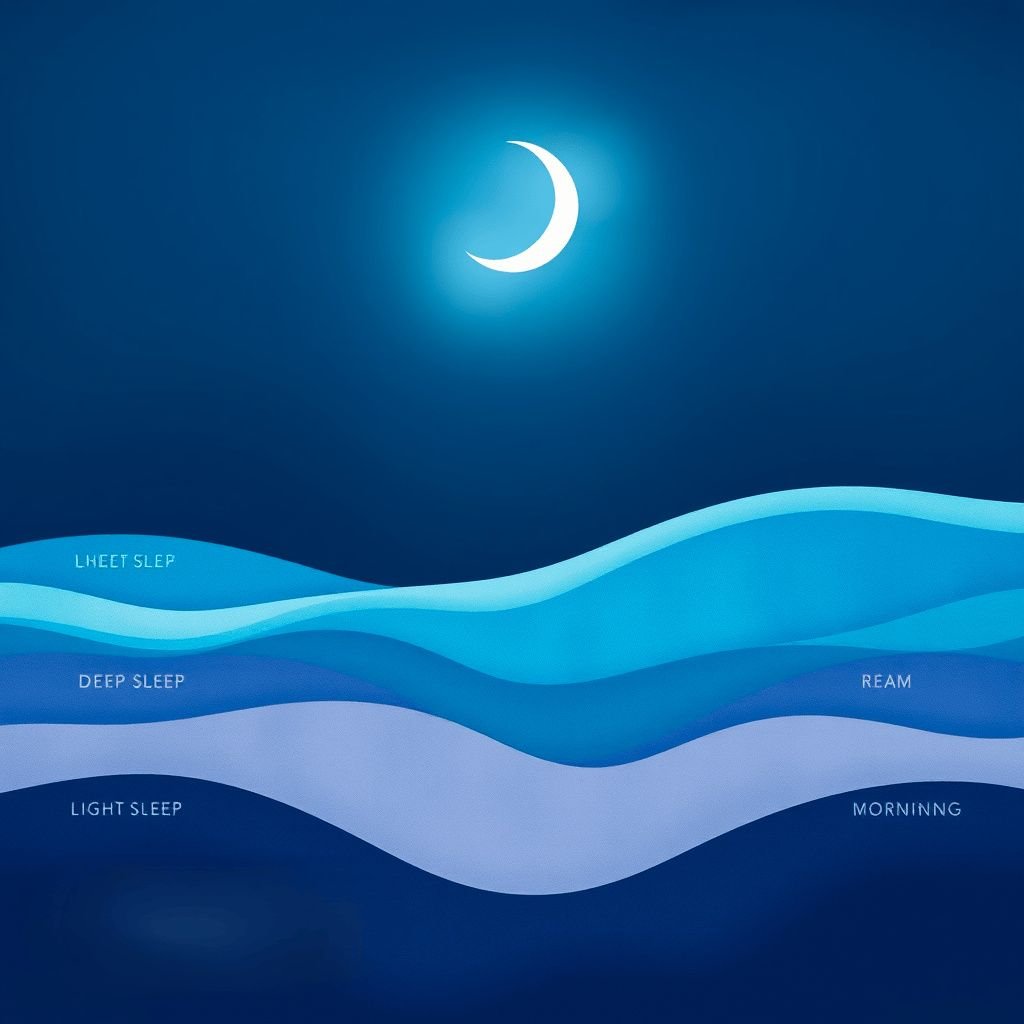
Research shows magnesium affects several sleep parameters:
| Sleep Term | What It Means |
| Sleep onset latency | How long it takes to fall asleep |
| Slow-wave sleep | Deep, restorative sleep that repairs your body |
| Sleep efficiency | Time asleep versus time lying awake in bed |
| Sleep cycles | Moving through light sleep, deep sleep, and dreaming |
| Circadian rhythm | Your internal body clock |
For more ways to improve your rest, check out our complete guide to sleep hygiene tips that work alongside magnesium supplementation.

Muscle Relaxation and Physical Tension
Anxiety isn’t just in your head. It shows up in your body too:
- Muscle tension in your neck and shoulders
- Leg cramps at night
- Periodic limb movements (twitching legs)
- Jaw clenching
Magnesium plays a big role in neuromuscular regulation. That’s a fancy way of saying it helps nerves and muscles talk to each other. It tells muscles to relax after they tighten.
This is why so many people search for magnesium for restless legs. When magnesium levels are good, your muscles get the right signals to let go of tension.
Magnesium Deficiency: Are You at Risk?
Before we talk about supplements, let’s check if low magnesium might be affecting your sleep and anxiety.
Common Deficiency Symptoms
Magnesium deficiency can look like many other health problems. Watch for these signs:
| Symptom Category | What to Notice |
| Energy | Fatigue that doesn’t get better with rest |
| Muscles | Cramps, twitching, nighttime leg cramps |
| Mind | Restlessness, trouble relaxing |
| Pain | Headaches or migraines |
| Heart | Heart palpitations or skipped beats |
| Digestive | Nausea, low appetite |
| Nerves | Numbness or tingling in hands or feet |
| Sleep | Trouble falling or staying a sleep |
Why Most People Don’t Get Enough
Many things can cause chronically low levels of magnesium:
- Soil depletion – Farms today grow food in soil with less magnesium than 50 years ago
- Processed food diet – Fast food and packaged meals have very little magnesium
- Alcohol consumption – Drinking makes you lose magnesium in urine
- Medications – Drugs like proton pump inhibitors (for acid reflux) and diuretics (water pills) lower magnesium
- Age – Adults over age 70 often absorb magnesium poorly
- Digestive issues – Conditions like Crohn’s disease or celiac disease make it hard to absorb nutrients

The Blood Test Problem
Here’s something most people don’t know. A standard serum magnesium blood test only measures 1% of your total magnesium stores.
The rest of your magnesium hangs out in:
- Your bones
- Your muscles
- Your soft tissues
You can get a blood test result in the normal range but still be low on magnesium at the cellular level. This explains why many people feel better after taking magnesium even when their doctor says their levels are “fine.”
Types of Magnesium: Why Form Matters
Not all magnesium pills work the same way. If you’ve tried magnesium before and felt nothing—or ended up with stomach problems—you probably took the wrong kind.

Magnesium Glycinate (The Gold Standard for Anxiety)
Magnesium glycinate is magnesium attached to glycine, an amino acid.

This combo has several advantages:
| Benefit | Why It Matters |
| High absorption | Your body actually uses it |
| Bioavailability | It gets where it needs to go |
| Gentle on stomach | Few gastrointestinal side effects |
| Dual calming | Both magnesium and glycine relax you |
| Mental calm | Targets your nervous system directly |
This is the form experts most often recommend for sleep and anxiety. People say they feel genuinely calmer—not just tired.
Magnesium L-Threonate (For Brain-Focused Anxiety)
Magnesium L-threonate is newer. What makes it special? It crosses the blood-brain barrier easily. That means it raises magnesium levels right inside your brain tissue.
Benefits include:
- Cognitive support (helps with focus and memory)
- Brain-based anxiety relief (great for constant worriers)
- Memory and learning support
People with “thinking anxiety”—endless worrying and overthinking—often like this form best.
Magnesium Citrate (Good Absorption, Gut Effects)
Magnesium citrate absorbs well but has an osmotic effect. That means it pulls water into your intestines.
This makes it:
- Good for constipation
- Tricky for sensitive stomachs
- Less ideal for sleep if you’re prone to diarrhea or loose stools
It can help with sleep, but magnesium glycinate is usually the better choice.
Forms to Avoid for Sleep and Anxiety
Magnesium oxide is poorly absorbed. Most of it passes right through you without doing much. It’s cheap. You’ll find it in many drugstore supplements. But it’s unlikely to help with sleep or anxiety.
Magnesium sulfate is Epsom salts. Great for baths. Not meant for swallowing.
Which Form Should You Choose?
| Form | Best For | Absorption | Stomach Tolerance |
| Magnesium Glycinate | Sleep, anxiety, stress | High | Excellent |
| Magnesium L-Threonate | Brain health, thinking anxiety | High | Good |
| Magnesium Citrate | Constipation + sleep | High | Fair (may cause loose stools) |
| Magnesium Oxide | Constipation (short-term) | Poor | Poor |
For sleep and anxiety, magnesium glycinate is the top choice. It has the best research and user results.
Magnesium Glycinate Dosage for Sleep and Anxiety
Getting the dose right matters a lot. Too little won’t help. Too much can upset your stomach.

Understanding Elemental Magnesium
This is super important. Supplement bottles list total weight. But you need to know the elemental magnesium content.

Example:
- A 500 mg pill of magnesium glycinate might only have 50-100 mg of elemental magnesium
- The rest is glycine and fillers
Always look on the label for “elemental magnesium.” That’s the number that counts for dosage.
Recommended Daily Allowance (RDA)
Here’s how much magnesium you need from all sources (food plus pills):
| Person | Daily Elemental Magnesium |
| Adult women | 320 mg |
| Adult men | 420 mg |
| Pregnant women | 350-360 mg |
| Breastfeeding women | 310-320 mg |
Therapeutic Dosage for Sleep
Studies have used doses ranging from 100 mg to 729 mg of elemental magnesium.
From real-world experience:
- 200-400 mg of elemental magnesium before bed is a good target
- Start with a lower dose (100-200 mg) to see how you feel
- Increase slowly if you need more and your stomach handles it fine
Higher doses (above 350 mg from pills alone) need a doctor’s okay.
Timing Matters
Best time to take magnesium glycinate for sleep:
- Take it 30-60 minutes before bedtime
- Be consistent—daily supplementation works better than taking it now and then
- Taking it with food can help absorption and calm any stomach issues
- Don’t take it with calcium supplements. They compete for absorption.
How Long Until It Works?
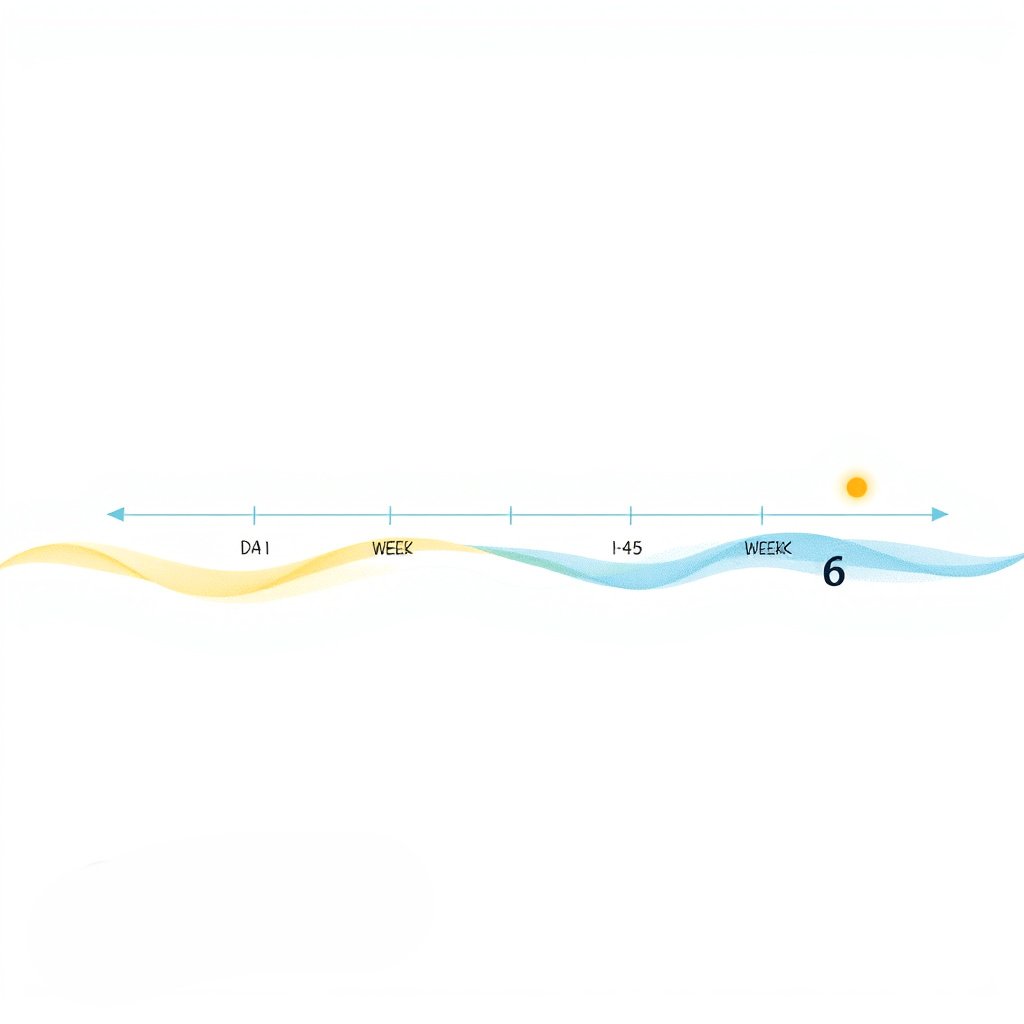
How long does magnesium glycinate take to work? This is one of the top questions people ask.
| Timeframe | What You Might Notice |
| Within days | Some people feel a bit calmer |
| 3-6 weeks | Sleep quality often improves by now |
| Longer if deficient | Rebuilding total magnesium stores takes time |
| Realistic expectation | Effects are gentle—not like a sleeping pill |
What Research Shows About Magnesium for Sleep and Anxiety
Let’s look at what studies actually say. Not just stories from friends or internet posts.
Evidence for Sleep Improvement
A 2024 systematic review in Cureus looked at magnesium for sleep and anxiety. Here’s what it found:
| Finding | Detail |
| Sleep studies | 5 out of 8 showed real improvement in sleep quality |
| Who benefits most | People with low magnesium levels |
| How they measured | Pittsburgh Sleep Quality Index (PSQI) and sleep lab tests |
| Bottom line | Magnesium “likely useful” for mild insomnia, especially if you’re low |
Sleep parameters that got better:
- Sleep onset latency – people fell asleep faster
- Sleep efficiency – more time asleep, less time awake in bed
- Slow-wave sleep – deeper, more restful sleep
Evidence for Anxiety Reduction
The same review found:
| Finding | Detail |
| Anxiety studies | 5 out of 7 showed real drops in anxiety scores |
| How they measured | Hamilton Anxiety Scale (HAM-A) and Hospital Anxiety and Depression Scale (HADS) |
| When it didn’t work | Studies on new moms and women with PMS showed no effect |
| Best response | General, mild anxiety |
| Safety | No serious adverse effects in any study |
Study Limitations to Understand
Good research is honest about what we don’t know.
- Sample sizes were often small
- Methodological heterogeneity – studies used different doses, forms, and lengths
- Variability in formulations – hard to compare apples to apples
- More well-designed studies are needed
- Definitive conclusions about the perfect dose and form aren’t possible yet
The evidence is promising but not 100% proven. Magnesium is a helpful tool, not a magic cure.

How to Take Magnesium Glycinate: Practical Tips
Start Low, Go Slow
If you’re new to magnesium glycinate:
- Begin with 100-200 mg elemental magnesium each day
- Take it for 1-2 weeks and notice how you feel
- If it’s going well and you want more benefit, add 100 mg
- Top supplement dose: usually 350 mg elemental magnesium from pills (not counting food)
With or Without Food?
- With food – helps prevent any stomach upset
- Empty stomach – some people feel it works faster
- Try both – see what feels best for you
Morning vs. Night?
For sleep and anxiety:
| Time | Best For |
| Before bed | Most people (helps with sleep) |
| Split dose | If you have daytime anxiety, take some morning and some night |
| Evening only | Glycine makes some people drowsy, so night works well |
What If It Doesn’t Work?
If you’ve tried magnesium glycinate with no results:
- Check elemental magnesium – make sure you’re getting enough, not just pill weight
- Give it time – at least 4-6 weeks to fix a deficiency
- Look at your diet – food sources matter too
- Check your habits – caffeine, alcohol, stress, sleep hygiene
- Try a different form – some people do better with magnesium L-threonate

Magnesium Side Effects and Safety
Common Side Effects
Magnesium glycinate is usually well-tolerated. But side effects can happen:
| Side Effect | How Often | Note |
| Gastrointestinal distress | Less than with other forms | Usually mild |
| Diarrhea or loose stools | Mainly with higher doses | Cut back if this happens |
| Mild drowsiness | Common | Often what you want for sleep |
| Nausea, belly cramps | Rare | Usually from too high a dose |
If you get diarrhea, take less or try a different form.
Who Should Avoid Magnesium
Some people need to check with a doctor first:
| Condition/Medication | Why |
| Kidney disease | Kidneys remove extra magnesium |
| Heart block or heart conditions | Magnesium affects heart rhythm |
| Myasthenia gravis | May make symptoms worse |
| Antibiotics | Magnesium can block absorption |
| Diuretics, proton pump inhibitors, heart meds | Possible interactions |
Drug Interactions
Magnesium can interact with:
- Antibiotics – take them 2 hours apart
- Diuretics (water pills) – may change magnesium levels
- Bisphosphonates (osteoporosis drugs)
- Blood pressure medications
- Muscle relaxants
Always talk to your doctor before starting supplements, especially if you take other meds.
Can You Take Too Much?
Hypermagnesemia (too much magnesium) is rare in healthy people. Your kidneys are good at getting rid of extra.
But with kidney problems or very high doses, watch for:
- Nausea
- Muscle weakness
- Trouble breathing
- Irregular heartbeat
- Facial flushing
The upper limit for magnesium from supplements is 350 mg elemental magnesium daily for adults. Higher doses need a doctor’s supervision.
Magnesium vs. Other Sleep and Anxiety Options
Magnesium Glycinate vs. Melatonin
| Aspect | Magnesium Glycinate | Melatonin |
| Main job | Helps sleep quality | Signals sleep timing |
| How it works | Calms your nervous system | Tells your body clock when to sleep |
| Long-term use | Generally safer | May affect natural production |
| Using together | Can be done | Check with a doctor first |
Think of it this way: melatonin says “it’s time to sleep.” Magnesium helps your body actually do it well.
Magnesium Glycinate vs. Prescription Medications
Magnesium is not a replacement for anxiety or sleep meds your doctor prescribed. But:
- It has a low-risk profile with few side effects
- It fixes a possible nutrient insufficiency
- It supports overall nervous system health
- Some people find they need less of their other meds
Never stop prescribed medications without talking to your doctor.
Magnesium vs. Other Natural Options
Compared to herbs like ashwagandha or valerian:
| Point | Magnesium Glycinate | Herbal Options |
| Main action | Fixes a nutritional need | Plant-based effects |
| Research | Solid for basic science | Varies by herb |
| Using with others | Usually fine | Check each one |
| Body role | Essential mineral | Botanical supplement |

Magnesium-Rich Foods for Sleep
Supplements help. But food should always come first. These foods give you magnesium plus other nutrients that support sleep.
Top Food Sources
| Food | Magnesium | % of Daily Need (approx) |
| Pumpkin seeds | 150 mg per ounce | 37% |
| Almonds | 80 mg per ounce | 20% |
| Spinach (cooked) | 78 mg per half cup | 19% |
| Cashews | 74 mg per ounce | 18% |
| Dark chocolate (70-85%) | 64 mg per ounce | 16% |
| Black beans | 60 mg per half cup | 15% |
| Avocados | 58 mg per medium fruit | 15% |
| Bananas | 32 mg per medium fruit | 8% |
Bedtime Snack Ideas
- Banana with almond butter
- Small handful of pumpkin seeds
- One square of dark chocolate (pick one with low sugar)
- Smoothie with spinach and avocado
Can Food Alone Fix Deficiency?
For mild low levels, eating more magnesium-rich foods can help a lot. But:
- If you have a documented deficiency or strong symptoms, pills are often needed
- Modern farming and diets make it hard to get enough from food alone
- A mix of food and supplements works best for most people

Frequently Asked Questions
Does magnesium glycinate help with anxiety?
Research says yes. Multiple studies show real drops in anxiety scores with magnesium. It works best for people with low magnesium and mild-to-moderate anxiety. The mix of magnesium plus glycine (which also calms you) makes glycinate a good choice.
How long does magnesium glycinate take to work for sleep?
Some people feel calmer within days. But for better sleep quality, give it 3-6 weeks of daily use. If you’re low on magnesium, it takes time to fill your body’s stores back up. Effects are gentle—not like a sleeping pill.
What’s the difference between magnesium glycinate and citrate?
Magnesium glycinate hooks up with glycine (a calming amino acid). It’s best for sleep, anxiety, and long-term use. It’s easy on the stomach. Magnesium citrate hooks up with citric acid. It pulls water into your gut, which can cause diarrhea or loose stools. It’s good for constipation but less ideal for daily sleep help unless you also need digestive support.
Can I take magnesium glycinate every day?
Yes. Magnesium is safe for daily use at the right doses. It’s an essential mineral, not a drug. Your body controls magnesium levels through urine and gut absorption. Long-term use is common and fine when you stay under the upper limit (350 mg from supplements).
Is magnesium safe during pregnancy?
Magnesium is important in pregnancy. Many prenatal vitamins have it. But talk to your doctor before adding more. Pregnancy changes how your body uses and gets rid of magnesium. Some studies show it helps with leg cramps and sleep, but you need personal advice.
Can magnesium glycinate cause side effects?
Yes, but fewer than other forms. Possible side effects: mild gastrointestinal distress, diarrhea (with high doses), and drowsiness. Start with a lower dose and go up slowly. If you get diarrhea, take less.
What’s the best time to take magnesium glycinate?
For sleep: 30-60 minutes before bed. For anxiety: some people split the dose (morning and night). Being consistent matters more than exact timing. Taking it with food can help your stomach.
Can children take magnesium for sleep and anxiety?
Some doctors recommend magnesium for kids with sleep issues or anxiety, especially if they might be low. But ask a healthcare provider first. Dosing depends on age and weight. Topical magnesium (lotions, baths) is sometimes used for kids who won’t swallow pills.
Does magnesium help with restless legs at night?
Many people say their restless leg syndrome (RLS) gets better with magnesium. Since RLS involves muscle relaxation and nerve signals, magnesium’s role in nerve-muscle talk makes sense. Some studies back this up, but more research is needed.
Why didn’t magnesium work for me?
- Wrong form (oxide, citrate) – Switch to magnesium glycinate or L-threonate
- Too low a dose of elemental magnesium – Check the label and adjust
- Not taking it long enough – Give it weeks, not days
- Other health factors – Check meds and other deficiencies
- Unrealistic hopes – Effects are gentle, not dramatic
If one form doesn’t work, another might. Magnesium glycinate and L-threonine are worth trying if cheaper forms let you down.

How to Choose a Quality Magnesium Glycinate Supplement
What to Look For
| Feature | Why It’s Important |
| Third-party testing | Look for USP, NSF, or ConsumerLab seals |
| Clear elemental magnesium | Label shows how much you’re really getting |
| Few fillers | Less junk in your pill |
| Good brand | Known for quality |
| Form listed | Says “magnesium glycinate” or “magnesium bisglycinate” |
Red Flags to Avoid
- Proprietary blends – they hide how much magnesium you get
- Really cheap prices – quality costs money
- No company info – who made this?
- Vague “magnesium complex” – what’s actually in it?
- No elemental magnesium on the label
Forms to Consider
| Form | Good For |
| Capsules | Easy, pre-measured doses |
| Powder | You control the dose, mix in water |
| Liquids | Absorbs fast, good if you can’t swallow pills |
Pick what works for your lifestyle.
Conclusion: Is Magnesium Glycinate Right for You?
Magnesium glycinate for sleep and anxiety is a science-backed, gentle option for people dealing with:
- Restlessness
- Busy brain at night
- Poor sleep quality
Its special mix of highly absorbable magnesium and calming glycine makes it the top choice for mental health support.
Key Takeaways
| Topic | Summary |
| How it works | Helps GABA, lowers cortisol, supports melatonin |
| Deficiency | Common and often missed |
| Best form | Magnesium glycinate – best absorption, gentle, calming |
| Dosage | 200-400 mg elemental magnesium before bed |
| Timeline | Give it 3-6 weeks |
| Safety | Very safe when used right |
Magnesium isn’t a miracle fix. It won’t replace good sleep habits or medical care when you need it. But for many people, it offers the gentle, natural support their nervous system has been asking for.
If you want to try it:
- Start with a lower dose
- Pick a quality product
- Give it time
- Talk to your doctor
- Talk to your doctor – especially if you have health conditions or take other meds
Sweet dreams and calmer days could be closer than you think.
Medical Disclaimer: This article is for informational purposes only. It is not a substitute for professional medical advice, diagnosis, or treatment. Always seek the advice of your physician or other qualified health provider with any questions you may have regarding a medical condition or before starting any new supplement.