

What Is Fibermaxxing and Why Is Everyone Talking About It?
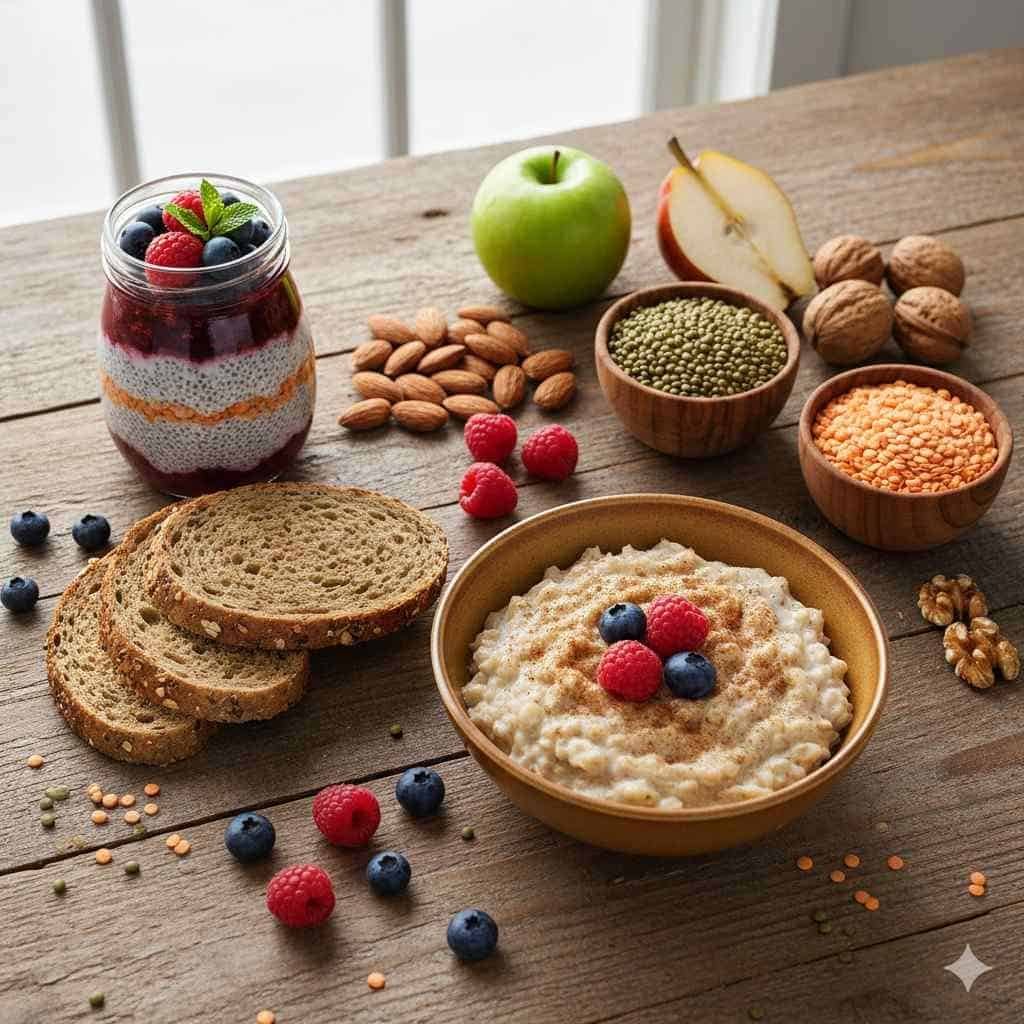
If you spend any time browsing fitness forums or health communities online, you’ve likely encountered a curious term: fibermaxxing. It sounds technical, almost like something from a programming manual. But the concept behind it is surprisingly straightforward and deeply rooted in nutritional science.
Fibermaxxing emerges from the intersection of two distinct online cultures. The first is biohacking — a movement where people treat their bodies as systems to be optimized, monitored, and upgraded. The second is looksmaxing — communities focused on maximizing physical appearance through strategic interventions. Fibermaxxing borrows the intentional, data-driven approach from both.
At its simplest level, fibermaxxing means deliberately increasing your daily fiber intake beyond standard recommendations, with specific health and aesthetic goals in mind.
This isn’t your grandmother’s “eat your vegetables” advice. Everyone knows fiber is healthy. But fibermaxxing transforms that general knowledge into something more targeted. Instead of passively adding an apple to your lunch, you actively track your intake, diversify your sources, and push toward higher targets.
The Philosophy Behind the Trend
The underlying philosophy holds that if moderate fiber consumption delivers moderate benefits, then optimizing your fiber intake — staying within safe limits, of course — might unlock advantages you never realized were possible.
These potential benefits span across multiple areas:
- Digestive function becomes more regular and comfortable
- Body composition can shift as appetite regulation improves
- Energy levels stabilize throughout the day
- Mental clarity sharpens as gut-brain communication optimizes
- Skin appearance may improve as inflammation decreases
- Long-term disease markers trend in favorable directions
Your Fibermaxxing Questions Answered
Question 1: Can Fibermaxxing Be Combined With Intermittent Fasting and Cold Exposure?
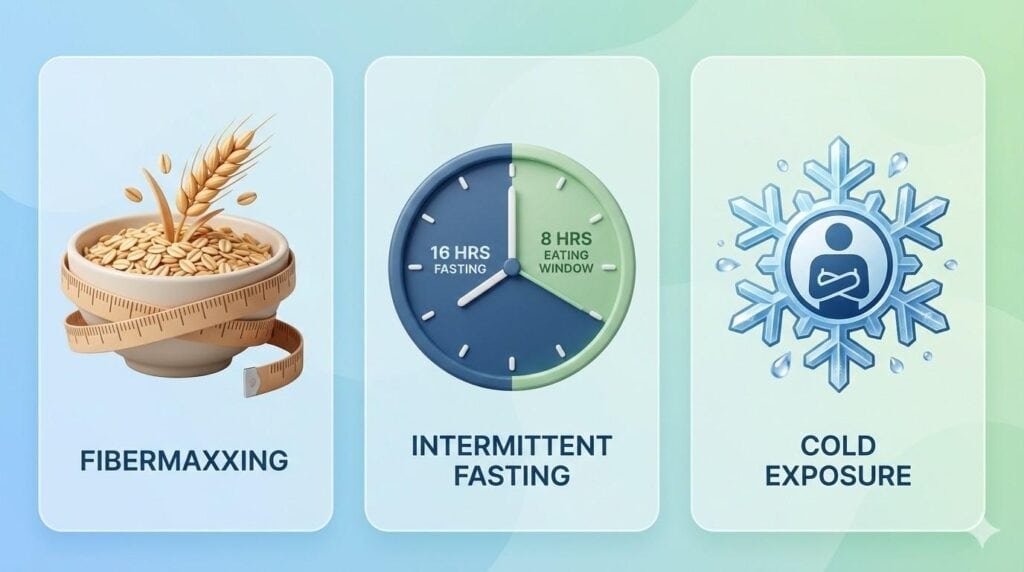
Short Answer: Yes — and when executed properly, these practices create a powerful synergistic effect that enhances each individual component.
To understand why this combination works so effectively, let’s first examine each practice independently.
Breaking Down the Three Practices
Fibermaxxing involves strategically increasing dietary fiber intake, typically aiming for 35-50 grams daily from diverse whole food sources. This goes beyond basic recommendations (25g for women, 38g for men) by emphasizing both quantity and variety. Different fiber types — soluble, insoluble, resistant starch — feed different bacterial populations in your gut, creating a more resilient and diverse microbiome.
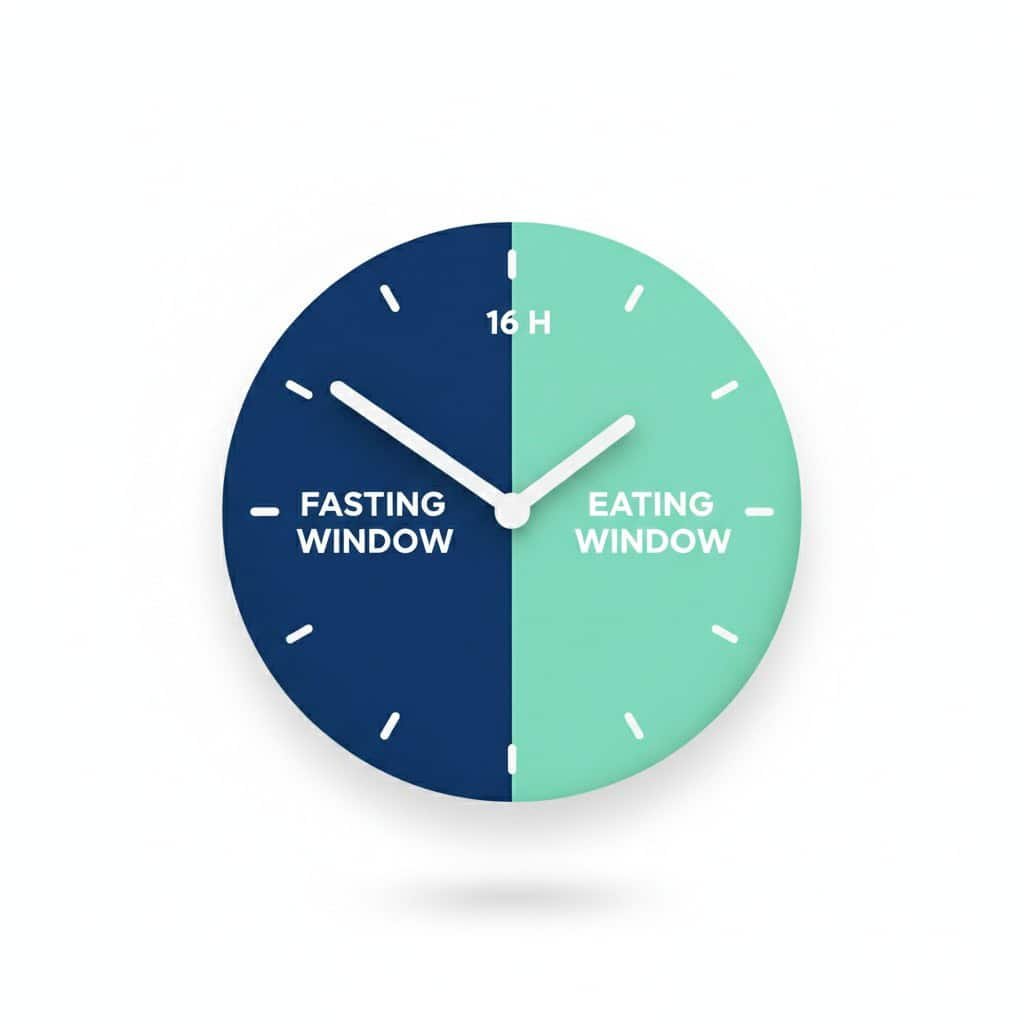
Intermittent fasting refers to cycling between periods of eating and not eating. The 16:8 protocol remains most popular: sixteen hours without caloric intake, followed by an eight-hour eating window. This pattern allows your digestive system extended rest periods while your body shifts focus toward cellular repair processes.
Cold exposure involves brief, controlled exposure to cold temperatures, typically through cold showers or ice baths lasting 2-5 minutes. Research suggests this practice can reduce systemic inflammation, activate beneficial brown adipose tissue, and strengthen mental resilience.
The Fascinating Interplay Between Fiber and Fasting
When you consume soluble fiber — found abundantly in oats, legumes, and psyllium husk — something remarkable occurs in your digestive tract. This fiber absorbs water and transforms into a gel-like substance that moves slowly through your system.
For someone practicing intermittent fasting, this mechanism provides several distinct advantages:
Satiety Extension:
That gel occupies physical space in your stomach and small intestine. It triggers stretch receptors that communicate fullness signals to your brain. During a sixteen-hour fasting window, a meal that keeps you satisfied for longer periods makes adherence significantly easier. You’re not fighting constant hunger signals because your last meal continues working for you.
Blood Glucose Stabilization:
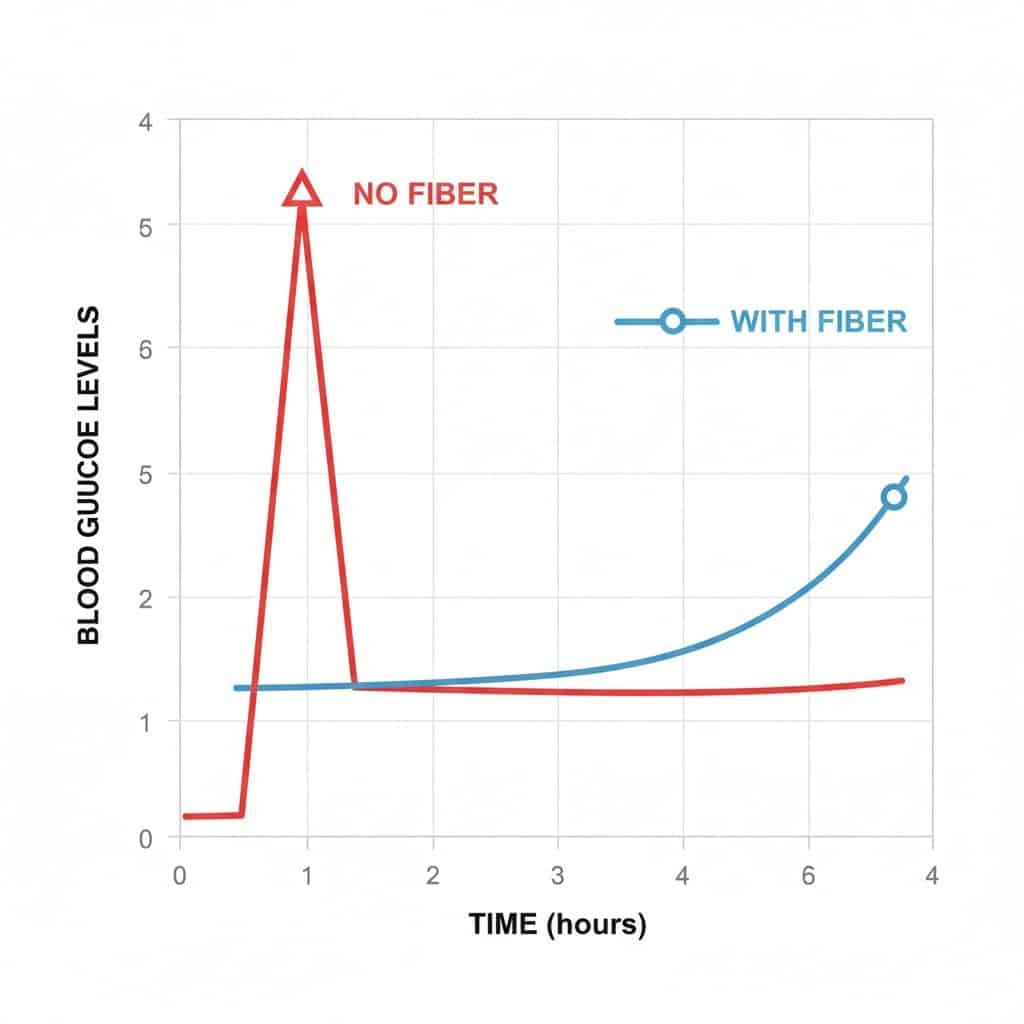
Without adequate fiber, meals can trigger rapid blood glucose elevations followed by sharp declines. These fluctuations often precipitate intense cravings and energy crashes. Soluble fiber smooths this curve dramatically. Nutrients enter your bloodstream gradually rather than all at once, producing sustained energy release rather than peaks and valleys.
Overnight Gut Activity:
During your eating window, you’re supplying your gut bacteria with abundant fermentable material. When your fasting window begins, those bacteria don’t simply stop working. They continue fermenting remaining fiber, producing short-chain fatty acids — particularly butyrate. This compound strengthens intestinal barrier function, reduces inflammation, and supports overall gut health. Your digestive system remains active and productive even while you refrain from eating.
Strategic Timing for Maximum Results
Making these practices work together requires attention to when you consume specific foods.
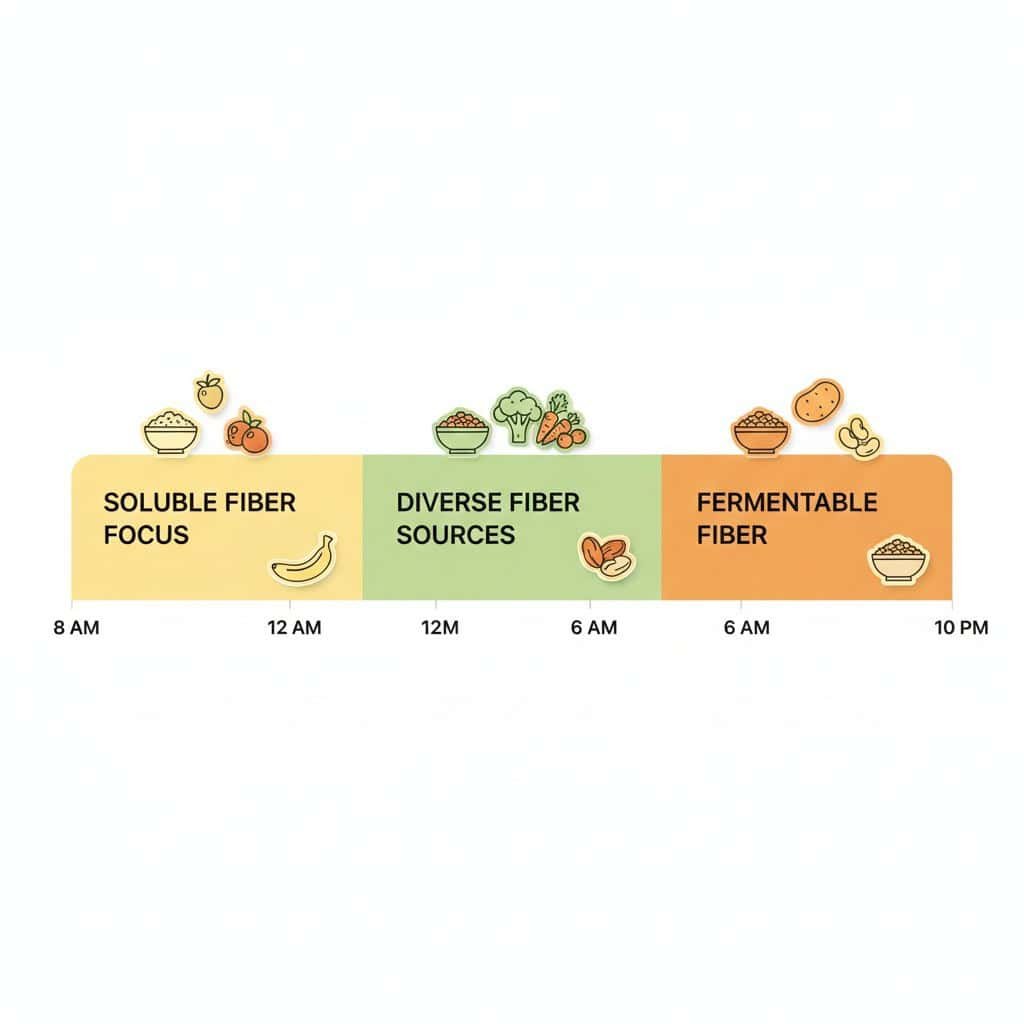
Breaking Your Fast: Your first post-fast meal should emphasize soluble fiber sources. Steel-cut oats with berries. A chia seed pudding prepared the night before. These foods gently reintroduce digestive activity while establishing stable blood glucose for hours afterward.
Throughout Your Eating Window: Maintain variety across your fiber sources. Lentils in soups. Roasted vegetables with meals. Nuts as snacks. Different fiber types support different bacterial species, and microbial diversity correlates strongly with overall health outcomes.
Your Final Meal: Consider incorporating fermentable fiber sources as your eating window closes. Lentils work excellently. Potatoes prepared through cook-cool-reheat cycles develop resistant starch that ferments slowly throughout your sleep period, providing sustained substrate for overnight bacterial activity.
One caution deserves emphasis: avoid excessive fiber consumption immediately before your fast begins. A large bean salad consumed one hour before your cutoff may leave you uncomfortably full when attempting to sleep. Allow two to three hours of digestion before entering your fasting window.
Cold Exposure’s Complementary Role
Cold therapy operates through different physiological pathways than either fiber consumption or fasting. No direct interference exists between these practices. However, cold exposure contributes meaningfully through inflammation modulation.
Chronic inflammation damages intestinal lining over time and disrupts healthy bacterial balance. Cold exposure demonstrates consistent anti-inflammatory effects throughout the body. By maintaining lower inflammation levels, you create an environment where fiber-fueled gut health can flourish more effectively.
Beyond physiology, cold exposure builds psychological discipline. Stepping into cold water requires intentional effort. That same discipline transfers to maintaining your eating window and making consistent food choices.

A Practical Daily Schedule
Here’s how these practices might integrate into a realistic daily routine:
- Morning Hours (Fasting Continues)
- Upon waking, consume 500-700ml water (critical for fiber function)
- Two to three minute cold shower
- Black coffee or unsweetened tea as desired
- Hunger remains manageable due to previous evening’s fiber-rich meal
- Early Afternoon (Breaking the Fast)
- Substantial salad incorporating chickpeas or lentils
- Mixed vegetables with olive oil dressing
- Energy remains stable throughout afternoon
- Late Afternoon (Eating Window Continues)
- Apple with small handful almonds
- Vegetable sticks with hummus
- Simple, satisfying, fiber-dense options
- Evening (Final Meal)
- Roasted vegetables alongside lean protein
- Quinoa or similar whole grain
- Meal completion by early evening
- Twelve-plus hours of digestive rest ahead
- Night
- Seven to nine hours sleep
- Body completes repair processes uninterrupted
Essential Precautions
Before adopting this approach, consider these important guidelines:
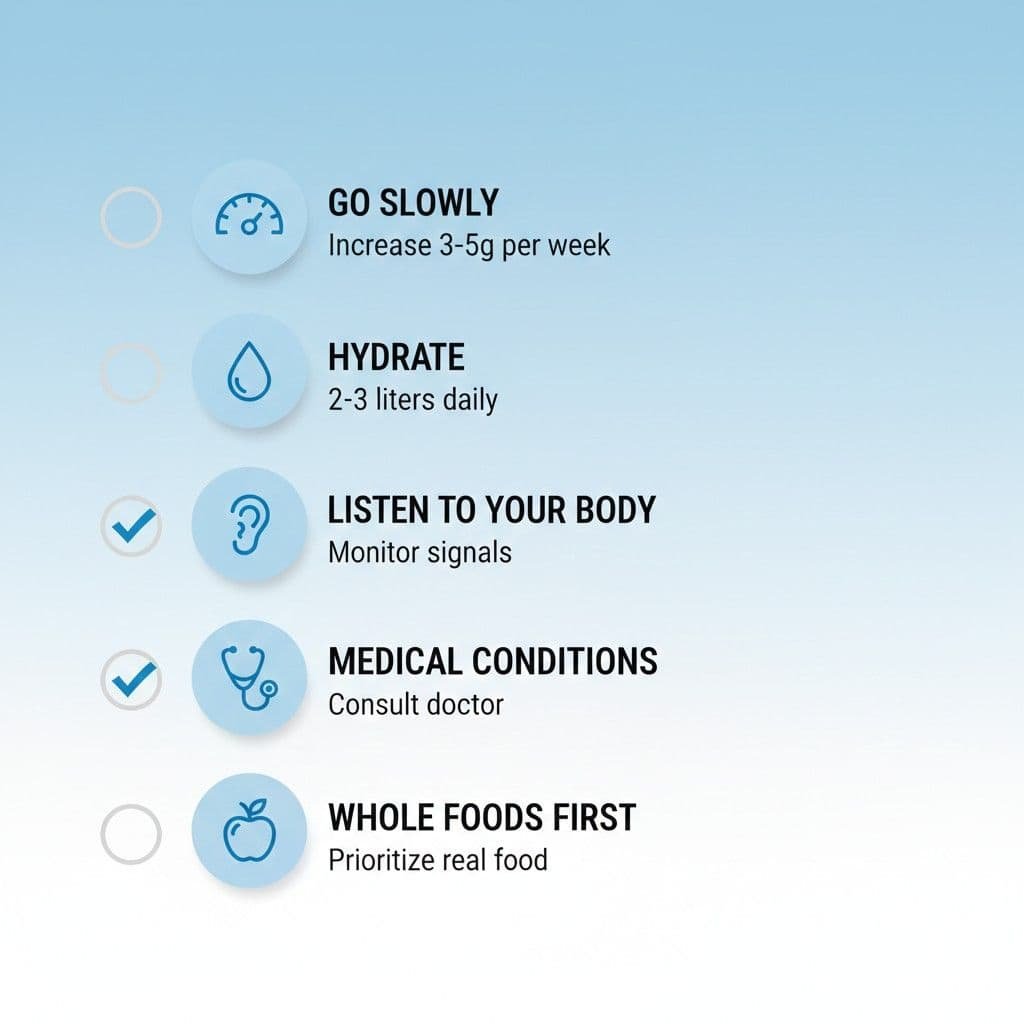
Progress Gradually: If your current fiber intake sits at 15 grams daily, attempting 50 grams next week will produce significant discomfort. Your gut requires time to cultivate bacterial populations capable of handling increased fiber loads. Increase by 3-5 grams weekly, monitoring your body’s response throughout.
Maintain Adequate Hydration: Fiber absorbs substantial water during digestion. Insufficient fluid intake transforms fiber from helpful to harmful, potentially causing constipation rather than preventing it. Target two to three liters daily, adjusting upward based on activity levels and climate.
Monitor Your Body’s Signals: Initial adjustment may produce mild bloating lasting one to two weeks. This represents normal adaptation. However, persistent sharp pain, severe discomfort, or any bleeding warrants immediate discontinuation and medical consultation.
Consider Medical Conditions and Medications: Individuals with IBS, inflammatory bowel conditions, or previous gastrointestinal surgery should approach significant dietary changes cautiously. Those taking regular medications should understand that fiber can affect drug absorption rates. Professional medical guidance proves invaluable in these situations.
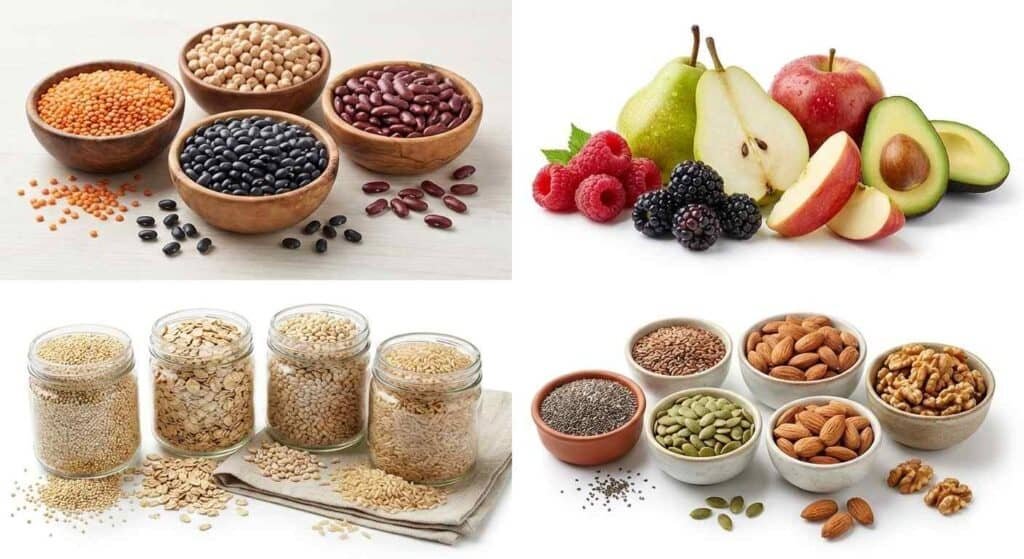
Prioritize Whole Foods: Fiber supplements serve useful purposes during travel or when struggling to meet targets. However, whole foods should constitute your primary fiber sources. Lentils, beans, vegetables, fruits, nuts, and seeds provide complementary nutrients and varied fiber types that supplements cannot replicate.
Frequently Asked Questions About Fibermaxxing
How much fiber should I eat daily for fibermaxxing?
For fibermaxxing, aim for 35-50 grams daily from diverse whole food sources. Standard recommendations are 25g for women and 38g for men, but fibermaxxing pushes beyond these numbers. Start gradually if you’re new to high-fiber diets to avoid digestive discomfort. Increase by 3-5 grams weekly and drink plenty of water.
What are the best fiber-rich foods for fibermaxxing beginners?
Start with easy-to-digest options like oats, chia seeds, bananas, and cooked lentils. Gradually introduce berries, apples, broccoli, quinoa, almonds, and chickpeas. Rotating between different fiber sources ensures you feed diverse gut bacteria for maximum microbiome benefits. Soluble fiber from oats and insoluble fiber from vegetables both matter.
Can fibermaxxing help with weight loss?
Yes, fibermaxxing supports weight loss by extending satiety, stabilizing blood sugar, and reducing cravings. Soluble fiber forms a gel that keeps you full longer, while insoluble fiber adds bulk without extra calories. Combined with intermittent fasting, results can be significant. Many biohackers report better appetite control within weeks.
Are fiber supplements as effective as whole foods for fibermaxxing?
Whole foods are always better for fibermaxxing. While supplements like psyllium husk help meet targets, they lack the complementary nutrients, antioxidants, and diverse fiber types found in lentils, vegetables, fruits, and nuts. Use supplements occasionally during travel, but prioritize whole foods for optimal gut health and microbiome diversity.
What are the side effects of eating too much fiber too quickly?
Increasing fiber too rapidly can cause bloating, gas, cramping, and constipation. Always increase gradually (3-5 grams weekly), drink plenty of water (2-3 liters daily), and listen to your body. If discomfort persists, slow down and consult a healthcare professional. Your gut needs time to adapt and cultivate new bacterial populations.
Can I do fibermaxxing if I have IBS or digestive issues?
Individuals with IBS, IBD, or sensitive digestion should approach fibermaxxing cautiously. Start with soluble fiber sources (oats, bananas, cooked vegetables) which are gentler, and avoid insoluble fiber (raw vegetables, bran) initially. Monitor your body’s signals carefully. Always consult your doctor before making major dietary changes.
How does fibermaxxing improve gut health?
Fibermaxxing feeds beneficial gut bacteria, which produce short-chain fatty acids like butyrate. These compounds strengthen intestinal barrier function, reduce inflammation, and support overall digestive health. A diverse fiber intake creates a resilient microbiome, improving nutrient absorption and gut-brain communication for better mental clarity.
Can I combine fibermaxxing with other diets like keto or paleo?
Yes, but adjustments may be needed. On keto, focus on low-carb fiber sources like avocados, chia seeds, flaxseeds, and non-starchy vegetables. On paleo, emphasize fruits, vegetables, nuts, and seeds. The key is maintaining adequate fiber intake while respecting your chosen dietary framework’s restrictions.
Final Thoughts
Fibermaxxing, intermittent fasting, and cold exposure represent distinct approaches to health optimization that complement each other remarkably well when properly coordinated.
The stable energy and extended satiety from strategic fiber consumption make fasting periods feel natural rather than forced. The digestive rest provided by fasting windows allows your gut to maximize benefits from fiber-fermentation byproducts. Cold exposure reduces inflammation and builds the mental discipline needed to maintain both practices consistently.

Disclaimer
This content is provided for informational purposes only and does not constitute medical advice. Individual health circumstances vary significantly. Consult qualified healthcare professionals before implementing substantial dietary or lifestyle changes, particularly if you have existing medical conditions or take regular medications.